Inside Bonus Ecosystems: How Free Spin Mechanics Redirect Player Focus Toward Live Blackjack and Roulette Variants
Otto Hoffmann · Oct 14, 2026
Inside Bonus Ecosystems: How Free Spin Mechanics Redirect Player Focus Toward Live Blackjack and Roulette Variants
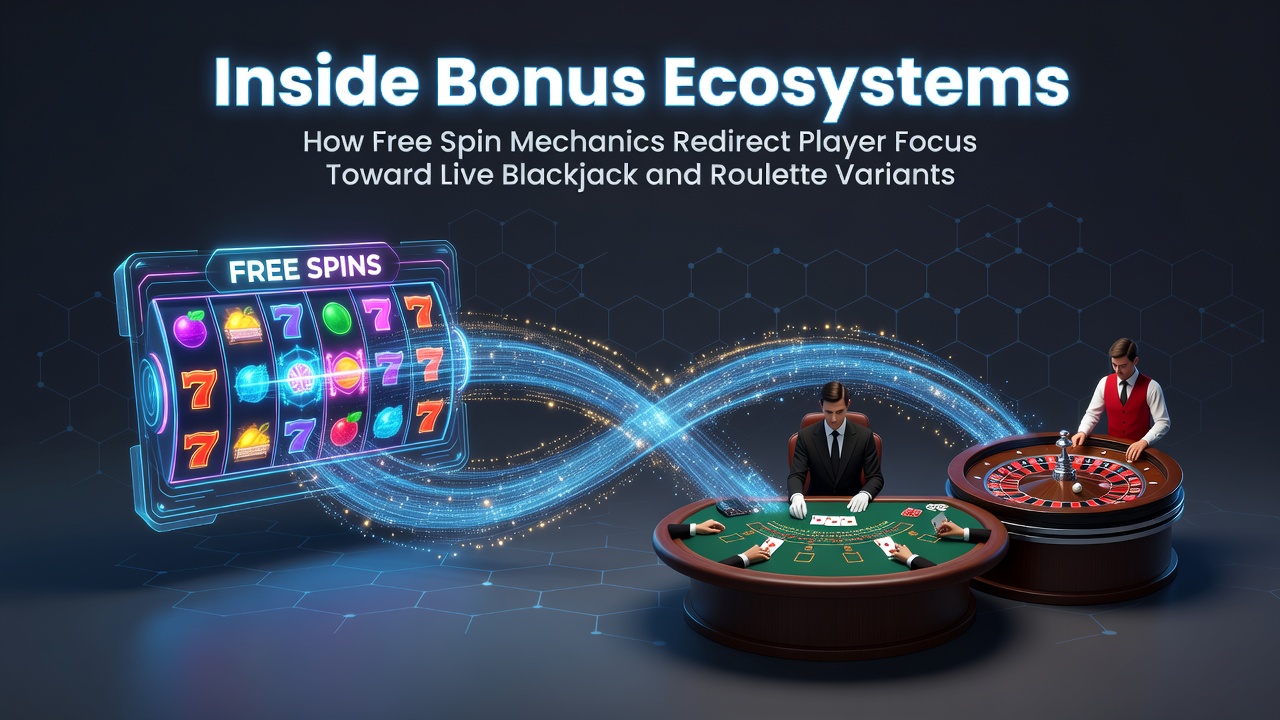
Platform operators structure bonus ecosystems so that free spin allocations on automated reels create entry points that guide users toward live dealer sessions in blackjack and roulette variants, with mechanics that tie wager requirements across game categories. Data from multiple jurisdictions shows these pathways operate through sequential reward chains where initial spin credits convert into deposit-matched offers that unlock table game access once certain play thresholds are met.
Mechanics of Free Spin Integration
Free spin mechanics function by assigning a fixed number of reel activations upon account registration or first deposit, and the resulting credits often carry conversion rules that funnel accumulated value into live game lobbies. Operators program these rules so that spin-generated winnings contribute to a progress meter that releases bonus funds usable on blackjack or roulette tables, while automated play sessions feed directly into real-time dealer environments without requiring separate navigation steps. Observers note that this integration reduces friction between game types because the same wallet balance and loyalty tracking system apply across both automated and live formats.
Studies from regional regulators indicate that in October 2026, several major platforms reported increased session lengths when free spin triggers preceded live dealer prompts, with users extending play by an average of 12 minutes per transition. The structure relies on algorithmic prompts that appear after spin completion, offering scaled rewards for moving into variants where house edges differ from slot configurations yet remain within the same bonus fulfillment cycle.
Transition Patterns Across Platforms
Players encounter these redirects through in-app notifications that activate once spin balances reach predefined levels, and the system then highlights live blackjack tables or roulette wheels as the next step for completing wagering obligations. Research indicates this redirection occurs because live games often carry higher per-hand bet minimums that accelerate the fulfillment of playthrough conditions attached to the original free spin offer. Figures from industry tracking services reveal that conversion rates from reel sessions to dealer interactions rose steadily through 2025 and into the following year, driven by unified bonus ledgers that treat both game categories as interchangeable for reward purposes.
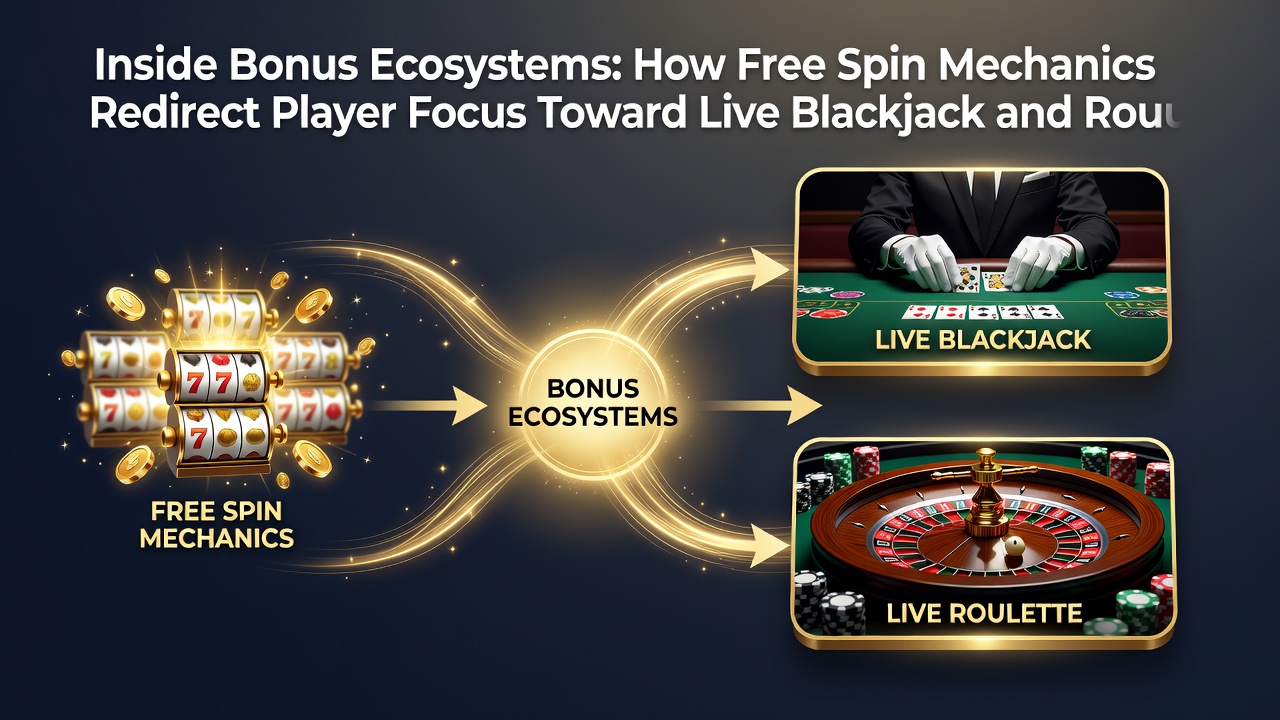
One documented pathway involves free spin winnings that automatically populate a separate live-game bonus pool, and users who accept the transfer receive additional multipliers when they place initial bets on variants such as European roulette or multi-hand blackjack. Data shows these pools expire within set windows, which encourages prompt movement from automated reels to staffed tables. Platforms achieve this by embedding the transition inside the same user interface, so the shift feels like a continuation rather than a separate decision.
Regional Data and Regulatory Context
According to reports issued by the New Jersey Division of Gaming Enforcement, live dealer participation rates climbed when operators linked free spin promotions to table game incentives during the first three quarters of 2026. Similar patterns appear in records from the Ontario Lottery and Gaming Corporation, where integrated bonus structures produced measurable upticks in roulette and blackjack volume among users who began with spin credits. These findings align with analyses from the Australian Institute of Criminology, which examined how sequential reward systems influence session composition across digital platforms operating under different licensing regimes.
Operators adjust the weighting of free spin contributions to live game requirements based on jurisdictional rules, and this calibration ensures compliance while still directing traffic toward higher-engagement variants. The process works because both automated and live categories share the same regulatory oversight in most markets, allowing seamless movement within a single account framework.
Conclusion
Bonus ecosystems continue to evolve through these interconnected mechanics, with free spin elements serving as gateways that operators program to emphasize live blackjack and roulette participation. Available data from multiple oversight bodies demonstrates consistent redirection patterns that rely on shared wallets, unified progress tracking, and timed prompts to maintain flow between game formats. As platforms refine these systems through 2026 and beyond, the underlying structure remains focused on converting initial reel activity into sustained engagement with dealer-led variants.