Mapping the Connections Between Promotional Incentives and Game Preferences in Casino Settings
Greta Beck · Nov 25, 2026
Mapping the Connections Between Promotional Incentives and Game Preferences in Casino Settings
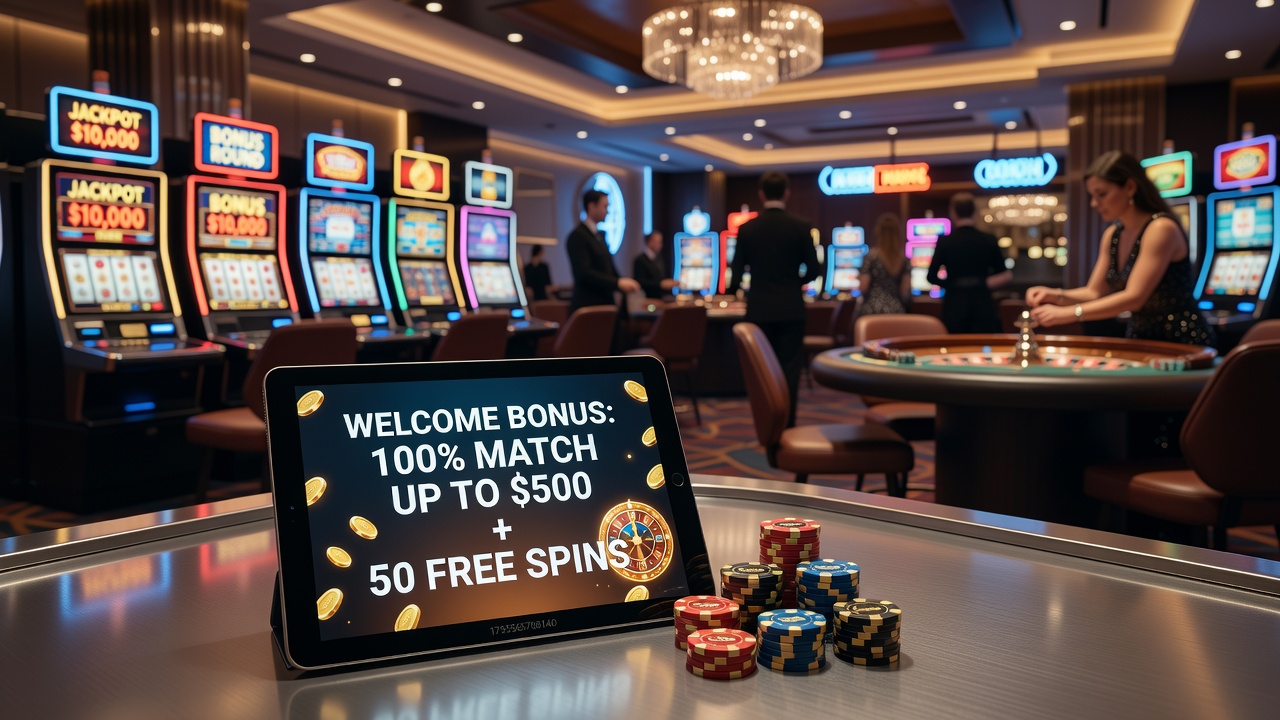
Industry reports from November 2026 highlight steady growth in casino promotional offers that tie directly into player selections across slots, table games, and live dealer formats, with data from multiple jurisdictions showing increased participation in both land-based and digital venues. Observers note that bonus structures often determine which games attract the most activity, as wagering requirements guide users toward specific titles that meet contribution thresholds.
Common Forms of Casino Incentives
Match deposits, free spins, cashback programs, and loyalty rewards represent the primary categories tracked by operators, according to figures from the Nevada Gaming Control Board. These offers frequently apply to slot machines first because of their high volume, yet many extend to blackjack and roulette through percentage-based contributions that vary by game type. Research indicates that players encounter deposit matches ranging from 100 to 200 percent on initial transactions, while free spin packages appear in bundles of 50 to 200 rounds tied to popular reel titles.
Those who track industry patterns find that cashback percentages typically fall between 5 and 20 percent on net losses, with weekly or monthly caps that reset on set schedules. Loyalty tiers accumulate points across sessions, unlocking higher reward levels that include personalized game credits or tournament entries. Data shows these layered systems encourage longer play periods on both automated and live formats.
Game Categories and Bonus Integration
Slot games dominate bonus usage because most platforms assign them 100 percent contribution toward wagering targets, whereas table games like blackjack often receive only 10 to 20 percent credit. Roulette variants follow similar patterns, with European versions sometimes qualifying at higher rates than American counterparts due to house edge differences. Experts observe that live dealer sessions blend these mechanics, allowing bonuses to transition from initial spins into real-time table play when operators permit partial contributions.
One documented case from Ontario's iGaming framework reveals that operators must clearly label contribution rates in bonus terms, leading to more transparent player choices between reel automation and interactive dealer tables. Studies from the University of Nevada, Las Vegas Center for Gaming Research further demonstrate that game selection shifts measurably when bonuses cap maximum bet sizes or exclude certain high-volatility titles during active promotions.
Regulatory Influences on Offer Structures
Agencies across regions enforce rules that shape how bonuses connect to games. The Malta Gaming Authority requires operators to publish wagering multipliers and expiration dates upfront, which affects how users plan transitions from slots to blackjack sessions. In Australia, state-level oversight through bodies such as the Northern Territory Racing Commission limits bonus advertising in certain media, directing focus toward in-platform game recommendations instead.
November 2026 updates in several markets introduced standardized disclosure templates that list eligible games by category, making it easier to compare offers across platforms. These changes coincide with expanded digital adoption, where mobile interfaces display contribution percentages directly on game tiles. Figures reveal that compliance adjustments have correlated with modest increases in cross-game play, particularly when bonuses allow movement between automated reels and live tables within a single session.
Player Pathways Across Formats
Many platforms design incentives that start with slot spins and progress toward table games once initial requirements are met. This sequencing appears in welcome packages that unlock live dealer access after a set number of completed wagers on designated machines. Industry associations like the European Gaming and Betting Association report that such pathways maintain engagement by balancing high-frequency slot activity with the social elements of live dealer interactions.
Observers note that seasonal events in late 2026 often bundle bonuses with specific game tournaments, encouraging participants to explore new titles while meeting rollover conditions. These events draw from established player data to match offers with preferred volatility levels, resulting in higher completion rates for combined slot and table challenges.
Conclusion
Available statistics demonstrate that casino bonuses and game selections remain closely linked through contribution rules, regulatory disclosures, and operator design choices. Jurisdictions continue to refine transparency measures that influence how players move between formats, while research institutions track resulting patterns in participation. The connections between incentives and game preferences continue to evolve with each new compliance update and technological adjustment across global markets.