Reward Pathways in Handheld Gaming: Linking Automated Slot Sequences to Live Dealer Experiences
Greta Beck · Sep 2, 2026
Reward Pathways in Handheld Gaming: Linking Automated Slot Sequences to Live Dealer Experiences
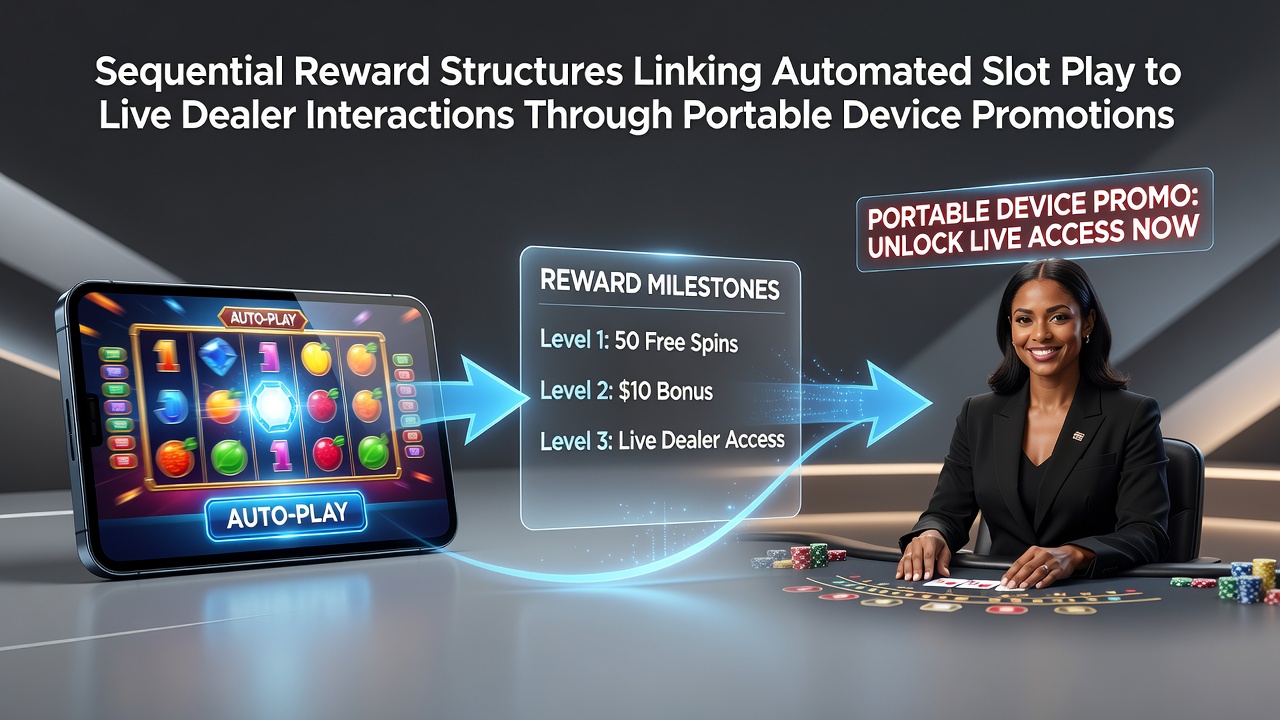
Sequential reward structures in mobile casino applications connect automated slot sessions with live dealer interactions through structured promotional sequences, and these pathways rely on data-driven triggers that activate based on play volume and engagement metrics. Operators design these chains so that initial reel automation periods feed directly into interactive table environments, with portable device promotions serving as the bridge between the two formats.
Mechanics of Sequential Incentives
Portable platforms track user activity across automated slots and apply tiered rewards that unlock live dealer access once specific thresholds appear, such as a set number of spins completed or a cumulative wager amount reached. Research from the American Gaming Association indicates these sequences appear in multiple jurisdictions where mobile licensing permits integrated game ecosystems, and the process often begins with deposit-free spins that accumulate toward eligibility for real-time table sessions.
One operator in a regulated North American market implemented a system where 50 automated spins on designated titles generated a voucher for live blackjack entry, while similar models in Australian markets use the same principle but tie rewards to time spent rather than spin counts. Data from state gaming reports shows these structures increase session duration across both game types without requiring separate logins or app switches.
Role of Portable Device Promotions
Mobile applications deliver these promotions through push notifications and in-app banners that appear immediately after slot milestones, and the timing of these alerts coincides with peak engagement windows identified through user analytics. Operators in multiple regions have adopted this approach because it maintains continuity between automated and live formats, allowing players to move from reel-based play to dealer-led tables within the same session.
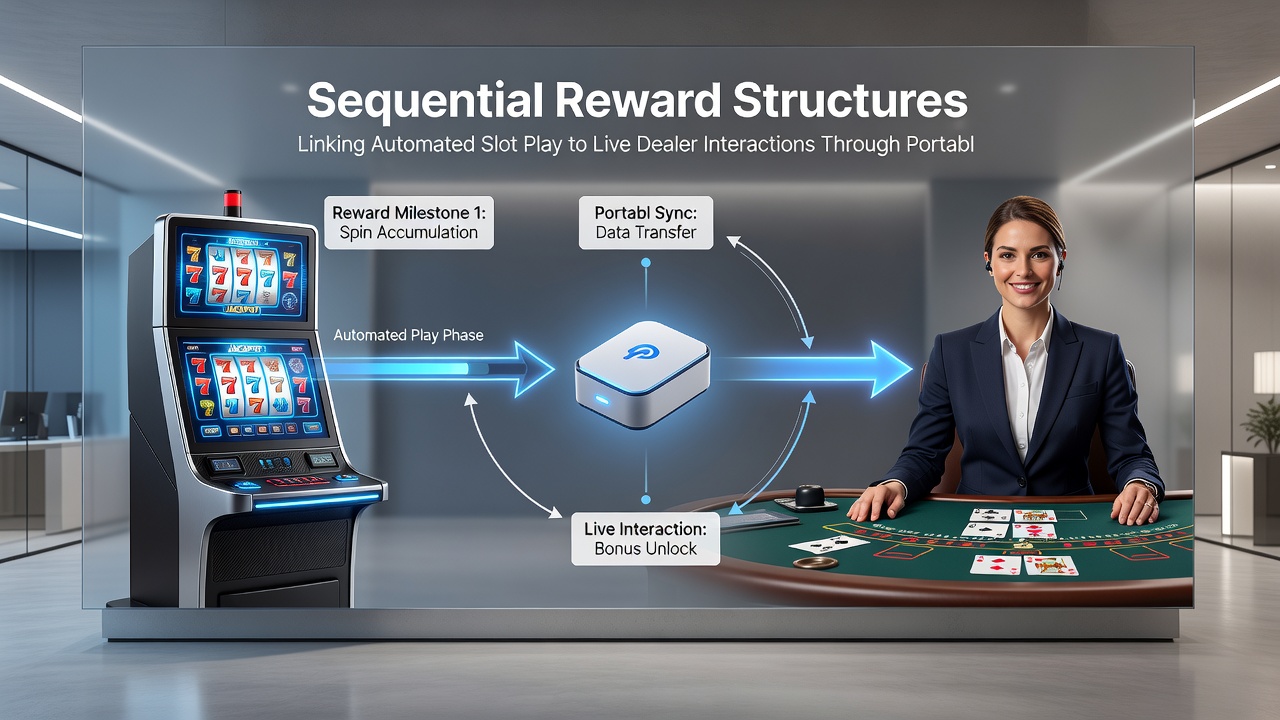
Figures released by the Nevada Gaming Control Board for the period ending September 2026 reveal a measurable uptick in cross-format activity when portable promotions link the two experiences, and similar patterns emerge in Canadian provincial data where mobile integration receives ongoing regulatory review. The promotions themselves often include time-limited bonuses that expire if not used within a defined window, which encourages prompt transitions rather than delayed switches.
Transition Points Between Formats
Automated slot sessions generate progress bars or loyalty points that convert into live dealer credits, and these conversions occur through a single-tap interface on handheld devices. Observers note that the design minimizes friction so users remain within the same application environment rather than navigating to separate platforms for each game category.
Industry reports from the European Gaming and Betting Association document how certain operators sequence rewards so that three consecutive slot sessions above a threshold automatically populate a live dealer lobby with pre-loaded funds, and this method appears in both European and Asian markets where mobile penetration rates exceed 70 percent of total gaming activity. The structure relies on backend algorithms that monitor play patterns and release incentives only when predefined criteria align across sessions.
Regulatory Context and Compliance
Regulatory bodies in multiple jurisdictions require clear disclosure of how sequential rewards operate, and operators must present the terms before any promotion activates. In September 2026, updates from the New Jersey Division of Gaming Enforcement emphasized transparency around conversion rates between slot play and live table access, while parallel guidelines in Australian states focus on preventing excessive session chaining through mandatory cooling periods.
These rules ensure that the linkage between automated and live formats does not obscure overall wagering activity or responsible play limits. Compliance data collected across licensed platforms shows that transparent sequencing correlates with higher retention rates in both game categories when users understand the full reward pathway in advance.
Conclusion
Sequential reward structures continue to shape how mobile users move between automated slots and live dealer interactions through targeted portable promotions, and the mechanisms rely on measurable play thresholds, timed incentives, and regulatory oversight across jurisdictions. As platforms refine these pathways, teh connection between reel automation and dealer-led sessions remains a core feature of integrated mobile gaming environments.